
Systematic responsibility – operator obligations in the interaction between AM and PM
Operator responsibility is not a marginal legal issue but is of central importance for real estate owners. Those who do not work properly in this area not only risk fines and reputational damage, but in the worst case also expose people to a real risk. In this article, we show how technical and infrastructural operator obligations can be managed in a structured way and we look at the roles of asset and property management in this context.
1. What does operator responsibility actually mean?
Essentially, it means that the owner or operator of a property is responsible for the safety and functionality of the property and its technical systems. This includes infrastructural measures such as snow and ice removal, tree inspections etc. as well as inspection obligations, maintenance intervals and documentation.
The challenge is that although such tasks are typically delegated, the ultimate responsibility of the owner cannot be transferred. Accordingly, proper execution of operational obligations must be thoroughly documented and is subject to verifiable compliance audits.
2. Older properties with incomplete documentation –
an underestimated risk
Onboarding of older properties can become particularly challenging. In practice, we regularly see that
- maintenance records are incomplete or missing,
- expert examinations are not documented or have not even been carried out,
- technical plans are outdated, illegible or can no longer be found.
Despite this initial situation, systematic remediation is not necessarily carried out. Instead, owners rely on property management to deal with the situation, even if this was not explicitly agreed upon in the scope of work. From our point of view, this expectation is not only unrealistic but also risky.
At the same time, property management also has a duty to point out obvious gaps. If, when taking over a property, it becomes clear that documentation is missing or safety-related inspections cannot be verified, this should be actively communicated. Special tasks such as obtaining missing technical documentation or the retrospective documentation of inspection obligations are not part of the standard scope of services – they must be clearly identified and commissioned separately. Those who remain silent here risk not only operational problems, but also a crisis of trust in the relationship with the client.
It is all the more important to proceed in a structured manner and to start where the risk is greatest. This is exactly where the next section comes in: with a pragmatic proposal on how operator obligations can be prioritized and gradually addressed even under difficult conditions.
3. Recommendation for action: prioritization
A pragmatic way out of this dilemma is to layer by safety-relevant priorities. Our recommendation:
- First, update the documentation for safety-critical facilities (e.g. fire alarm systems, elevators, emergency lighting).
- Secondly, record existing gaps systematically, e.g. through a technical audit or an operator obligations matrix.
- Ultimately, understand the remediation as an owner’s task; supported by the PM, but not solely responsible.
Reminder: These measures are usually not part of the standard scope of services. They require a dedicated project setup, clear responsibilities and, if necessary, external support.
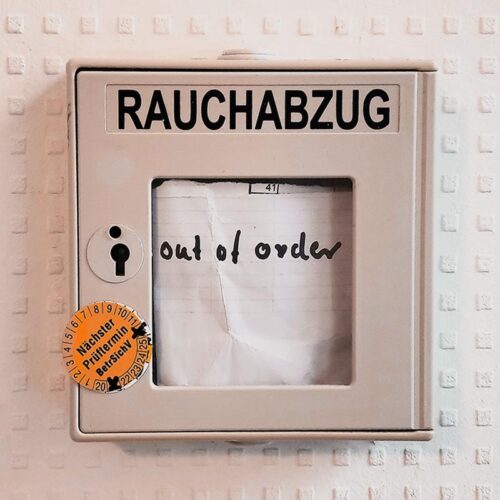
4. Clarifying roles between AM and PM
Property management is responsible for monitoring implementation (e.g. by a facility manager), while asset management holds strategic responsibility. It is therefore important that both sides develop a common understanding of the relevant duties, processes and escalation paths. This also includes
- a central deadline and inspection management system,
- regular reviews and audits,
- transparent communication about risks and measures.
5. Using tools and systems effectively
Digital CAFM systems are established in facility management and form an important basis for recording operator obligations, monitoring technical deadlines and documenting measures carried out. It is equally important that Property Management actively reviews this information, critically questions it, and follows up if necessary. What matters is not the tool alone, but the active collaboration between FM and PM, clear responsibilities, and a binding approach to the stored data.
Our conclusion
Operator responsibility requires clarity, structure and strong cooperation.
Whether there are issues with a building, its technical equipment, documentation gaps or role clarification – we know the challenges from practical experience and understand what matters.
Get in touch – together we will develop the right solution for your property or portfolio.

